Bulk Ingredient Procurement Lessons for Noodle Factories
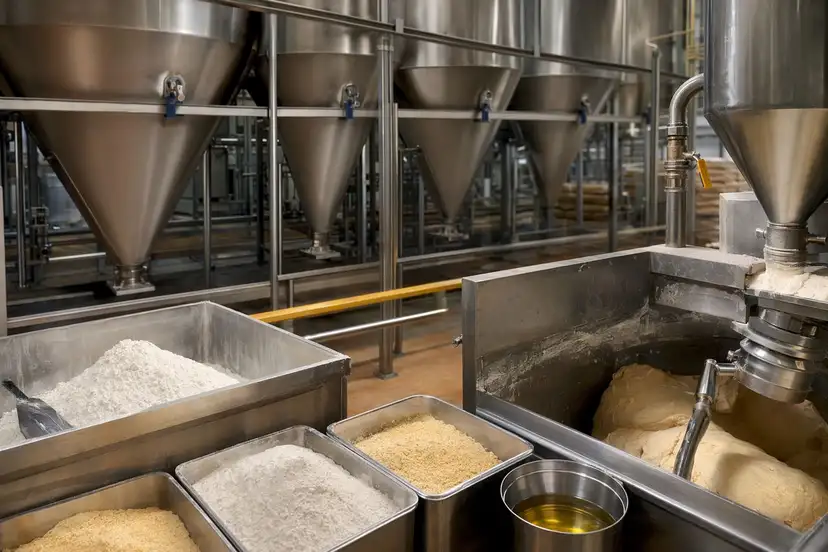
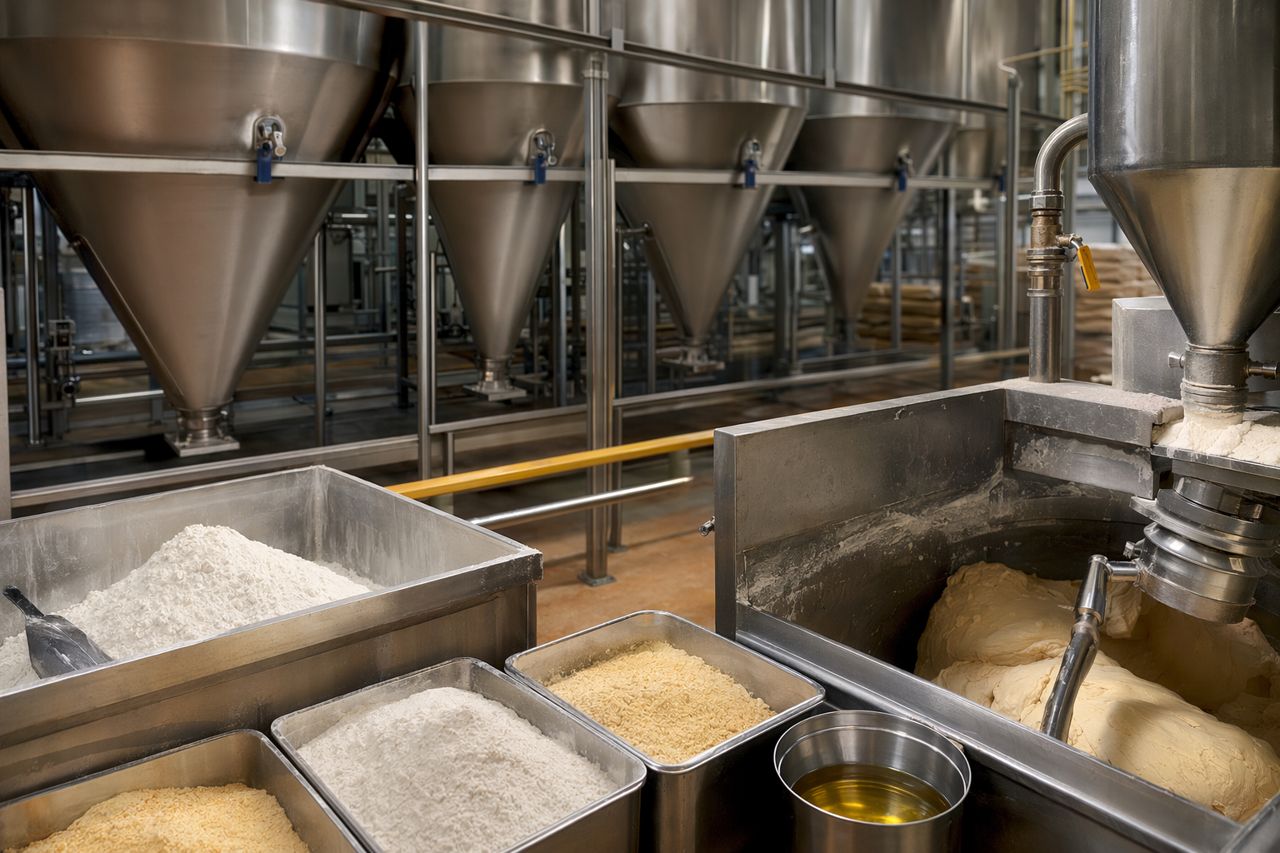
Bulk ingredient procurement in a noodle factory is not only a purchasing function. It shapes dough handling, sheet smoothness, cutting stability, steaming response, drying or frying behavior, final bite, and the consistency consumers expect from every block.
For instant noodle manufacturers, the safest supplier choice is rarely the cheapest line item. It is the ingredient strategy that keeps texture targets stable while flour lots, seasonal starch quality, water absorption, and factory conditions keep changing.
StrandPilot works as an enzyme supplier for noodle manufacturing with R&D, procurement, and plant teams who need ingredient decisions to translate into predictable production outcomes.
Lesson 1: Buy for process behavior, not only specification sheets
A flour or starch certificate can look acceptable while the dough behaves differently on the line. Procurement teams should connect specifications to actual plant behavior:
- Dough hydration speed and mixing tolerance
- Sheet elasticity and extensibility through rollers
- Surface smoothness before cutting
- Strand separation and reduced stickiness
- Steaming response and moisture migration
- Drying or frying stability
- Rehydration performance in the cup or bowl
The key question is not simply, “Does this ingredient meet the spec?” It is, “Will this ingredient protect the noodle texture and line rhythm our factory needs?”
Lesson 2: Treat flour variability as a managed input
Wheat flour is a living procurement variable. Protein quality, damaged starch, ash profile, enzyme background, and seasonal crop differences can shift dough strength and noodle eating quality.
For noodle factories, this variability can appear as:
- Dough sheets that tighten or tear during rolling
- Noodles that lose bite after cooking
- Higher cooking loss or cloudy broth
- Inconsistent rehydration between production runs
- Fragile blocks after drying, frying, or packaging
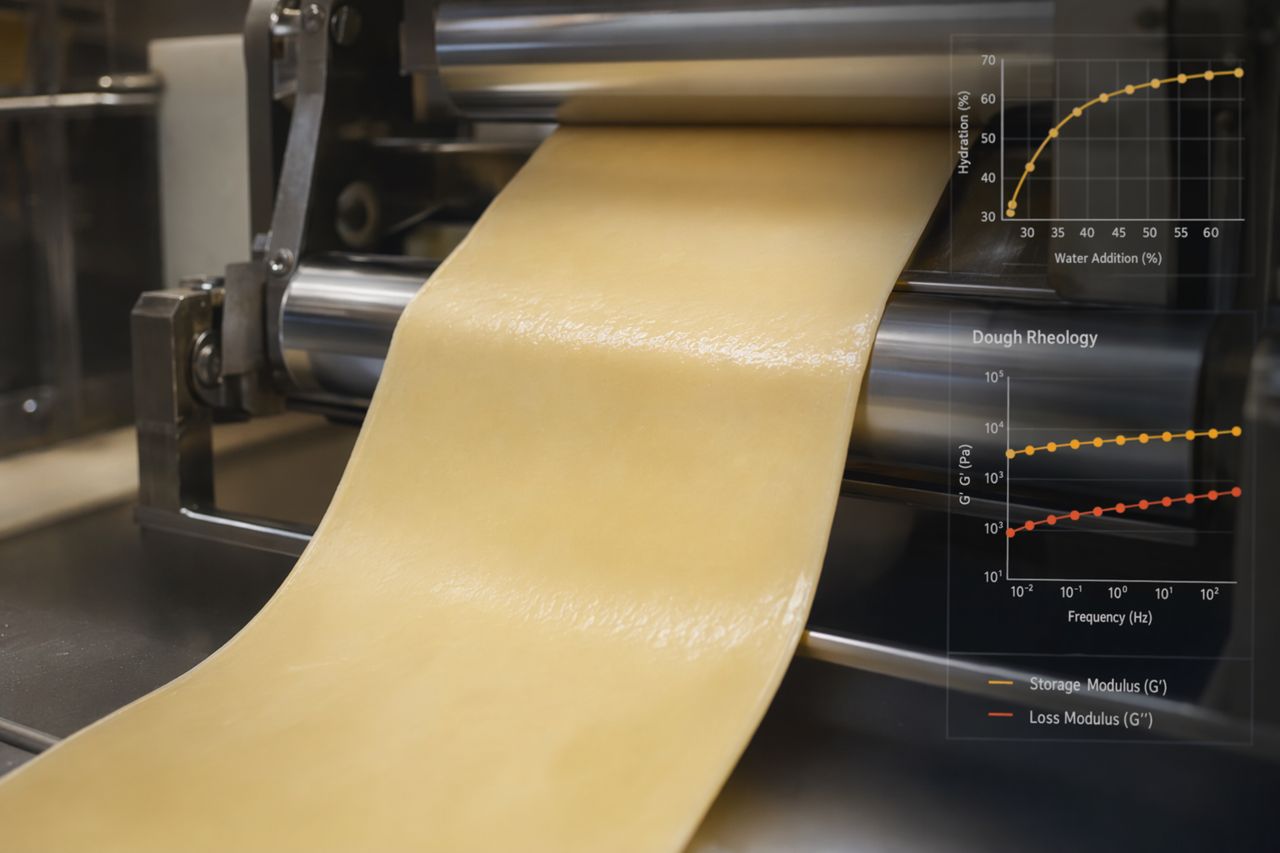
A practical procurement strategy builds room for correction. Enzyme systems can help R&D teams fine-tune dough rheology, surface quality, and cooked noodle texture when raw material variation is unavoidable.
Lesson 3: Align procurement with the texture target
Not every noodle line is chasing the same sensory profile. Some factories need elastic instant noodles with springy bite. Others need softer rehydration, cleaner soup, stronger block integrity, or smoother mouthfeel.
Bulk ingredient sourcing should begin with the target eating profile:
For firmer bite
Procurement should prioritize flour and functional systems that support protein network strength, controlled hydration, and resilient strand structure.
For smoother surface and lower cooking loss
Ingredient decisions should support starch-protein interaction, sheet uniformity, and reduced surface leaching during cooking.
For faster rehydration
R&D and procurement should evaluate how starch, flour, process moisture, and functional aids influence water uptake without creating mushy texture.
For consistent block handling
Suppliers should be evaluated not only by lab samples, but by how their materials perform through forming, steaming, drying or frying, cooling, and packaging.
Lesson 4: Include enzyme strategy early in the sourcing conversation
Enzymes are often discussed after a problem appears on the line. A better approach is to include enzyme strategy during procurement planning, especially when a factory is qualifying new flour mills, changing starch sources, reducing formulation cost, or scaling a new noodle format.
A practical noodle enzyme program can support:
- Dough machinability across variable flour lots
- Sheet uniformity and reduced cracking
- Strand elasticity and controlled firmness
- Cleaner cooking water and lower surface breakdown
- More repeatable rehydration behavior
- Better transfer from pilot trials to factory production
The value is not simply adding an ingredient. The value is creating a formulation control point that helps stabilize the relationship between raw material variability and finished noodle performance.
Lesson 5: Test suppliers under real noodle factory conditions
Bench tests are useful, but procurement decisions should be validated under conditions that resemble production. This is especially important for factories running high-throughput sheeted noodle lines where small changes in dough behavior can affect cutting, steaming, drying, frying, and packaging efficiency.
When qualifying bulk ingredient suppliers, include:
- Pilot sheet forming and rolling observations
- Strand cutting and separation checks
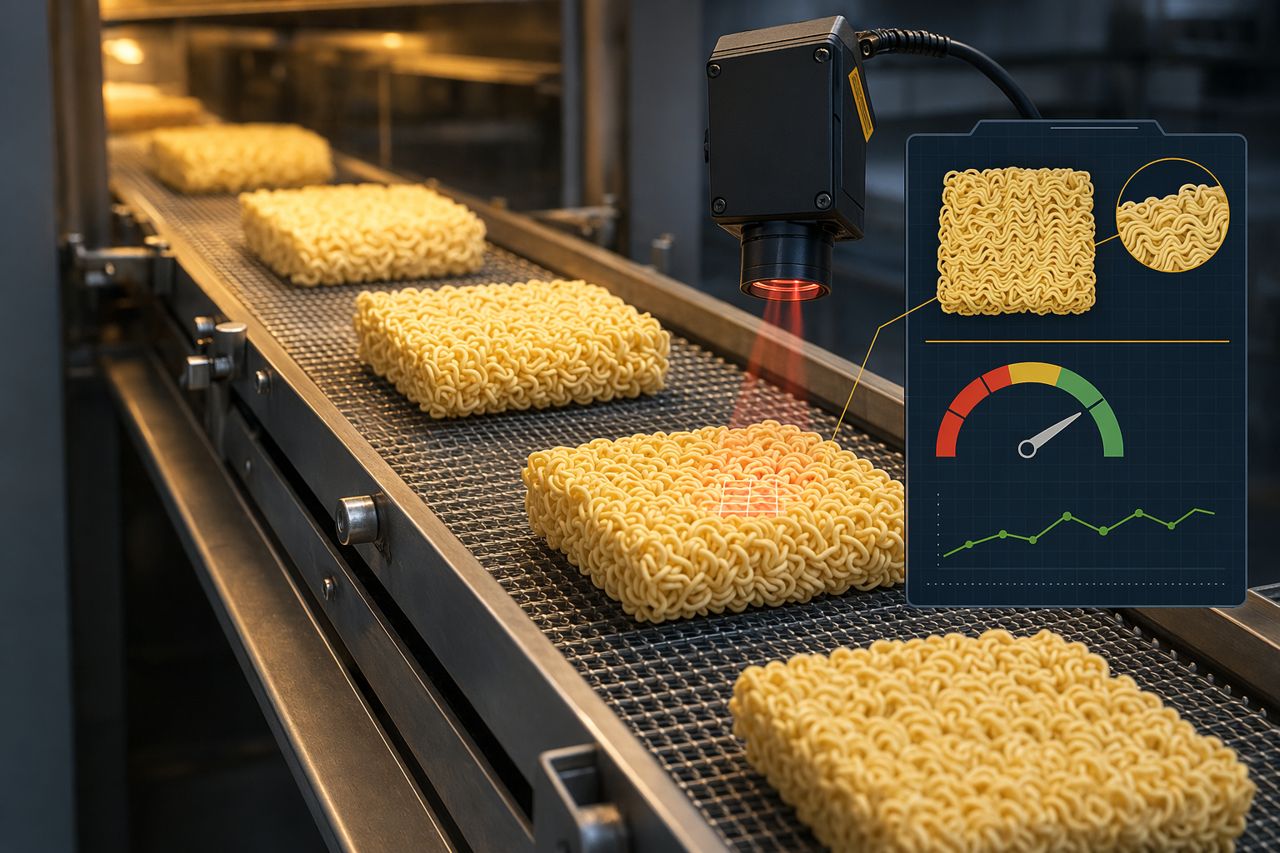
- Steam response and cooked texture evaluation
- Drying or frying behavior review
- Rehydration and bite testing after storage
- Sensory comparison against the commercial benchmark
- Line operator feedback on handling and stability
Procurement should create a shared trial language with R&D and production: what changed, where it changed, and whether it improved factory performance.
Lesson 6: Look for supplier support beyond the quote
A bulk ingredient quote answers only one question: price. Noodle factories also need confidence in technical support, responsiveness, documentation, and scale-up behavior.
A strong supplier conversation should cover:
- Which noodle texture target the ingredient supports
- How the solution behaves across flour variation
- What process points are most sensitive
- How to adjust during pilot and plant trials
- What quality documentation is available
- How quickly the supplier can support troubleshooting
- Whether recommendations are practical for existing equipment
For enzyme systems, StrandPilot focuses on factory-ready support: formulation guidance, trial planning, dosage window development, and interpretation of texture and processing outcomes without forcing R&D teams into unnecessary complexity.
Lesson 7: Build procurement scorecards around production risk
Cost per kilogram is easy to compare. Production risk is harder, but more important.
A procurement scorecard for noodle factory ingredients should include:
- Finished noodle texture consistency
- Dough handling and sheet stability
- Cooking performance and cooking loss control
- Compatibility with existing line conditions
- Batch-to-batch reliability
- Ease of scale-up
- Supplier technical support
- Documentation and communication quality
- Impact on waste, rework, and downtime
When these factors are included, ingredient procurement becomes a tool for protecting margin, not only reducing purchase price.
Where StrandPilot fits
StrandPilot supplies enzyme solutions for noodle manufacturing teams that need practical control over dough behavior and cooked noodle performance. We help R&D and procurement teams connect flour variability, formulation design, process conditions, and texture targets into a clear trial plan.
Our role is to help your team answer factory-critical questions:
- How can we maintain bite firmness when flour lots shift?
- Can we improve sheet smoothness without slowing the line?
- How do we reduce cooking loss while keeping the target mouthfeel?
- What enzyme approach fits our existing process?
- How do we move from pilot trial to production with fewer surprises?
Procurement takeaway
Bulk ingredient procurement is strongest when it is linked to noodle performance. Flour, starch, functional ingredients, and enzymes should be evaluated by how they behave on the line and how they protect the consumer experience after cooking.
If your factory is reviewing flour sources, reformulating an instant noodle line, or building a more stable texture-control strategy, StrandPilot can help define the enzyme pathway and trial plan.
Ready to discuss your noodle texture target and production constraints? Use the on-site request a quote form, and our technical team will follow up with practical next steps.